Children's Residential Program | Ages 6–12
A calm, structured place for children to feel safe and build new skills
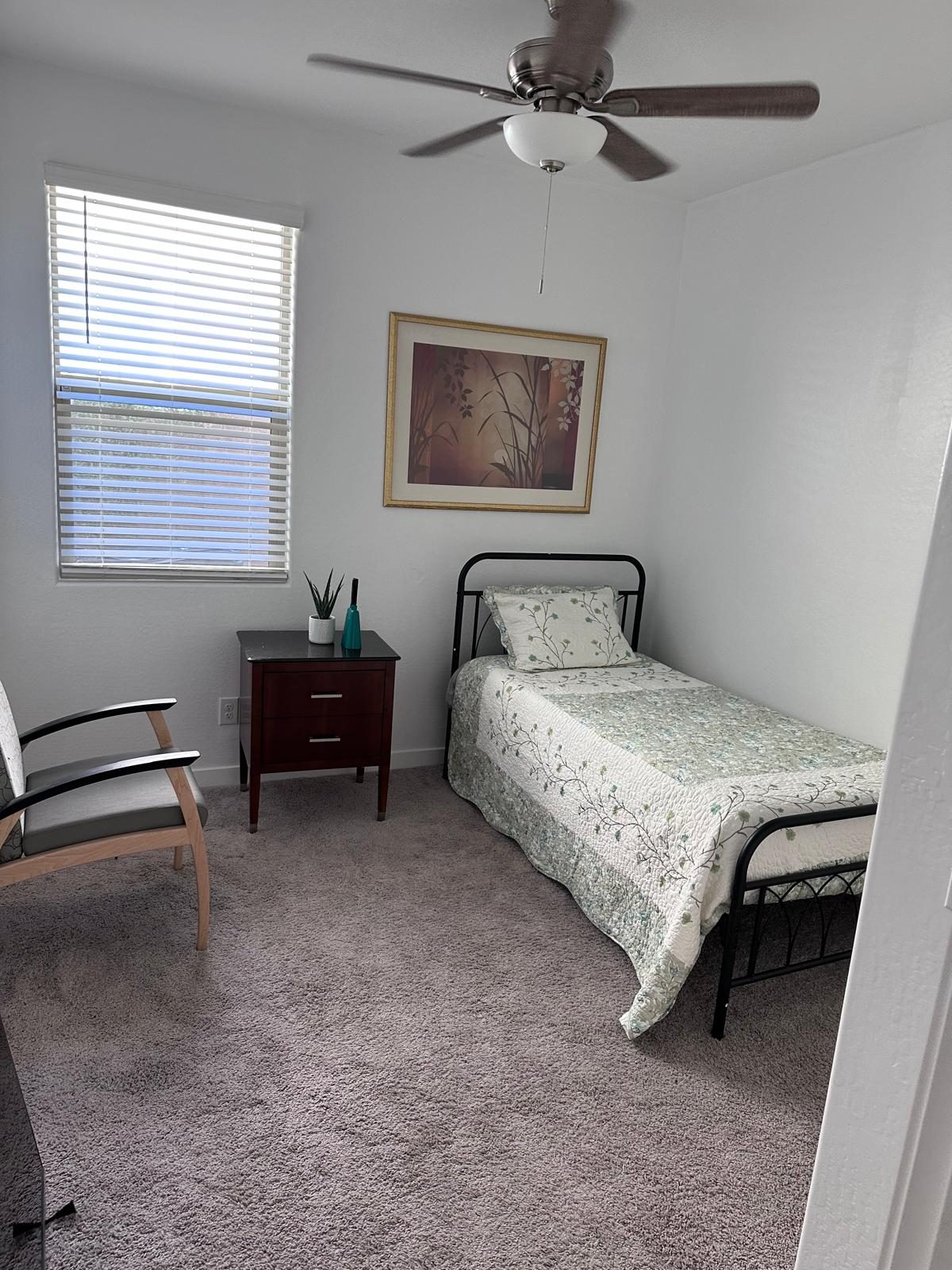
Our children's program provides developmentally appropriate residential behavioral health support in a home-like setting. Predictable routines, nurturing adult guidance, clinical care, family partnership, and school coordination help children practice emotional regulation and safer ways to respond to stress.
Who this may support
When residential support may help
The program may be appropriate for a child whose emotional or behavioral needs significantly affect safety, family life, school participation, or daily functioning and who can be safely treated in a non-hospital, non-secure residential setting. Presenting needs may include trauma-related symptoms, anxiety, depression or mood concerns, ADHD and attention difficulties, emotional outbursts, aggression or property-directed behavior, difficulty with coping and communication, self-harm risk that can be safely managed at the Behavioral Health Residential Facility level, and other serious emotional or behavioral challenges. Admission requires an individualized clinical screening — a diagnosis by itself does not guarantee placement.
Care priorities
Care built for this stage of development
- Predictable routines and clear, age-appropriate expectations
- Emotional vocabulary and coping-skill practice
- Individual, group, and family therapy as clinically indicated
- Creative, expressive, sensory, and movement-based activities
- Positive relationship-building and supervised peer interaction
- Personal care, sleep, nutrition, and daily-living routines
- School coordination, homework support, and learning continuity
- Caregiver coaching, scheduled visitation, and family safety planning
- Psychiatric coordination and medication support when ordered
- Transition planning that aligns home, school, and outpatient supports
A typical day
A steady rhythm for learning and healing
Morning wellness and community check-in; school or learning support; individual or group therapeutic work; lunch and quiet time; recreation or outdoor movement; life-skills practice; scheduled family contact; dinner; evening reflection; personal hygiene; and a consistent bedtime routine. Schedules remain flexible for appointments, clinical needs, cultural or spiritual supports, and individualized treatment goals.
Working together
Helping progress carry home
Children do best when the adults around them share a clear plan. With appropriate consent, caregivers participate in treatment planning, family therapy or coaching, scheduled visits, progress discussions, safety planning, and discharge preparation. The team also coordinates with schools, outpatient providers, Tribal supports, and other authorized partners.
Tell us what your child is experiencing.
Our admissions team will help determine whether the children's program may be an appropriate next step and identify the records needed for review.