Two developmental tracks
Residential care designed around a young person's developmental stage
A six-year-old and a seventeen-year-old need different language, routines, responsibilities, and therapeutic engagement. DiVnity organizes care into two age-specific residential programs so support can be safer, more relevant, and more respectful of each stage of development.
Shared foundation
What every DiVnity resident can expect
- A home-like residential setting
- 24/7 staff supervision and support
- Individualized assessment, treatment, and safety planning
- Trauma-informed, relationship-centered care
- Therapy and skill-building based on clinical need
- Psychiatric and medication coordination
- School and education support
- Family and care-team participation, when authorized
- Nutritious meals, wellness routines, and recreation
- Discharge planning that begins at admission
Two age groups, one commitment
Two age groups. One commitment to safe, individualized care.
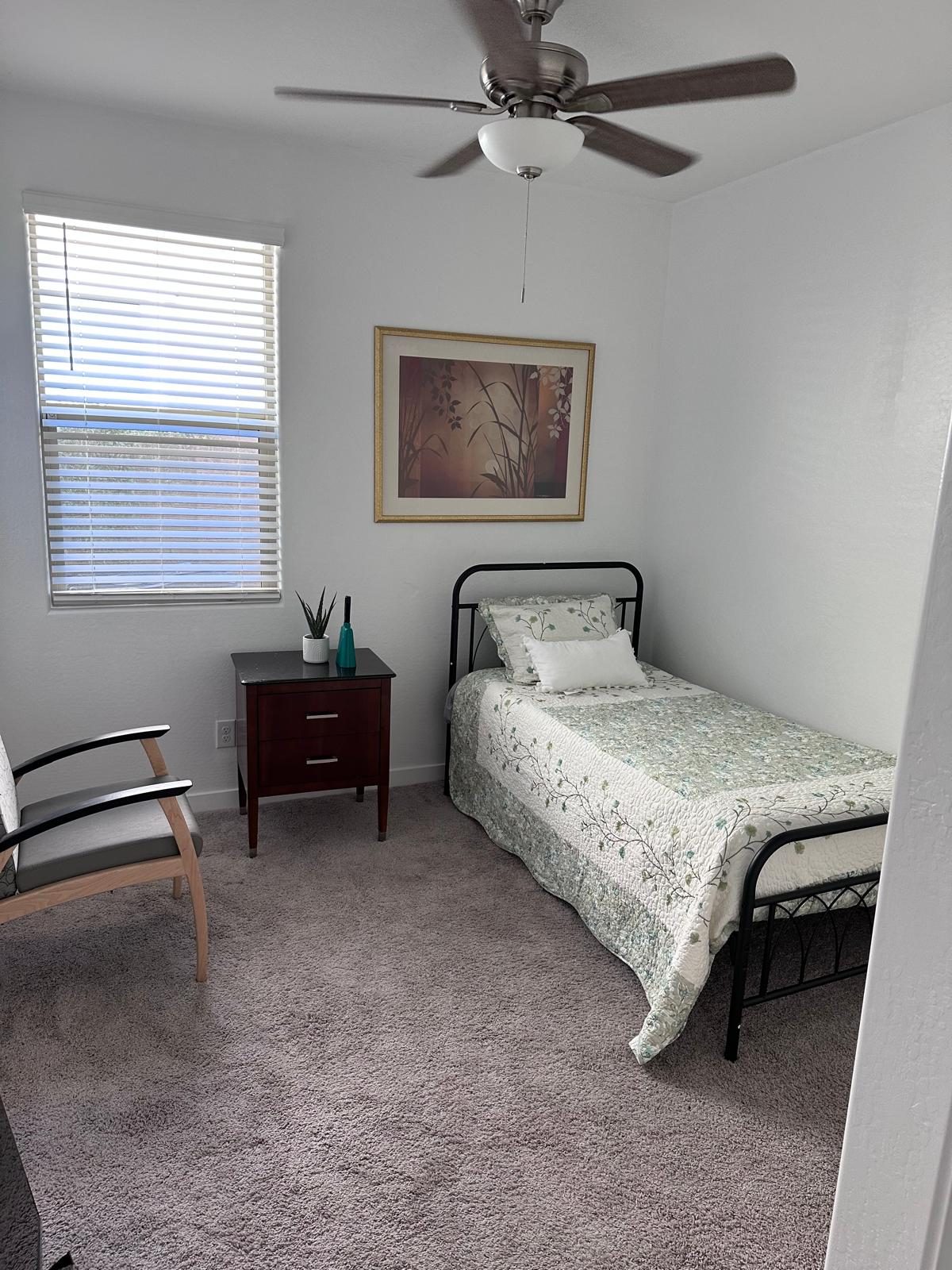
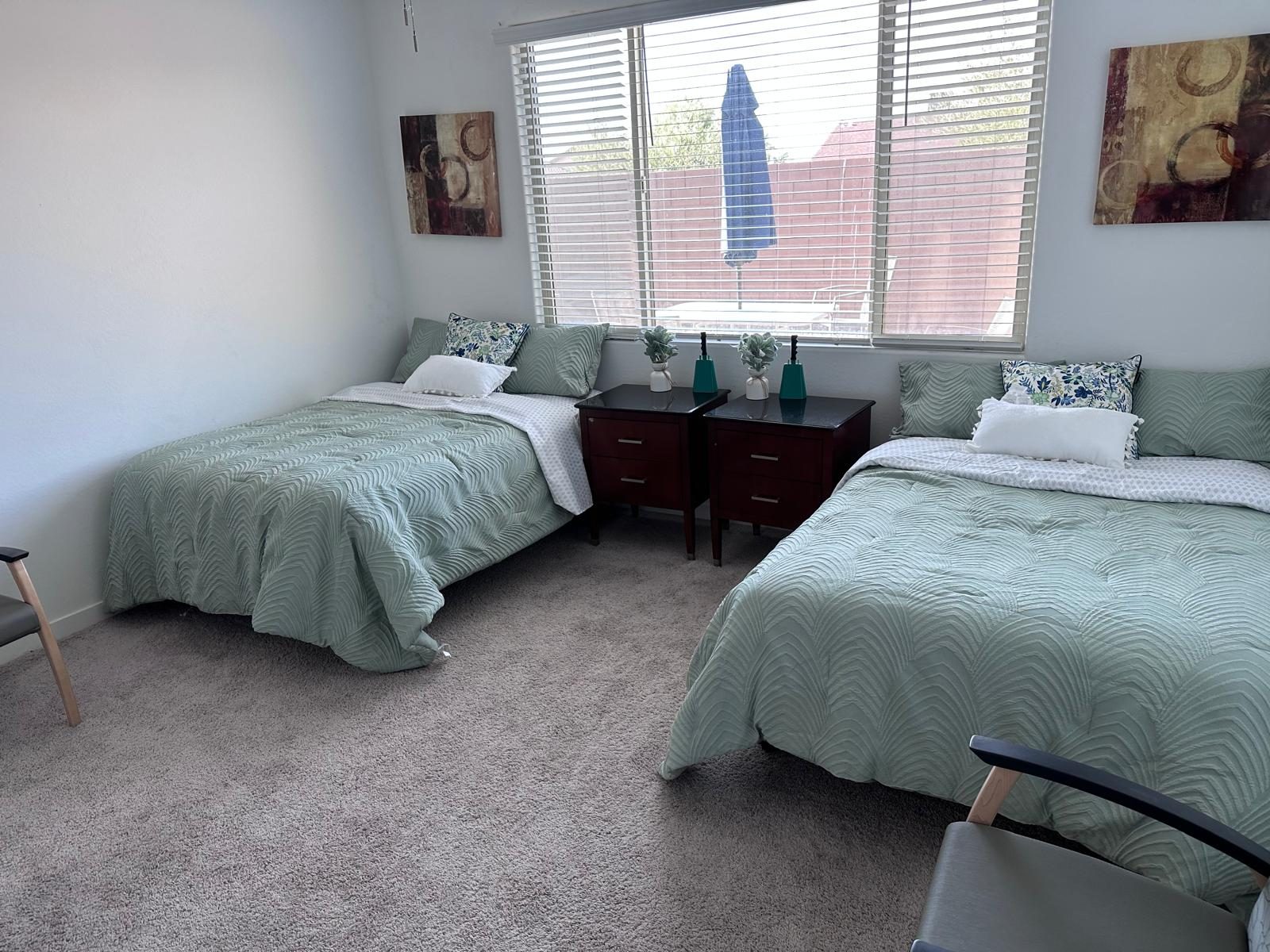
Side by side
Program comparison
Developmental focus
Ages 6–12
Emotional vocabulary, predictable routines, coping, safe attachment, self-care, and school participation
Ages 13–17
Emotional regulation, identity, relationships, decision-making, independence, and transition readiness
Communication
Ages 6–12
Concrete language, visual cues, repetition, caregiver coaching
Ages 13–17
Collaborative goal-setting, youth voice, reflective discussion, and accountability
Skill practice
Ages 6–12
Daily routines, asking for help, calming skills, play and expressive engagement
Ages 13–17
Life skills, healthy relationships, conflict resolution, relapse prevention, and community reintegration
Family role
Ages 6–12
Frequent caregiver education and home-routine alignment
Ages 13–17
Family therapy, communication, boundaries, safety planning, and transition preparation
Education
Ages 6–12
School coordination, homework, and developmentally appropriate learning support
Ages 13–17
School/credit coordination, homework, IEP/504 collaboration when authorized, and reintegration planning
Placement is individualized. Age alone does not determine admission. The team reviews clinical appropriateness, medical and psychiatric stability, safety risks, gender and rooming compatibility, medication needs, staffing, payer authorization, and bed availability.