Adolescent Residential Program | Ages 13–17
Structured support for adolescents navigating complex challenges
DiVnity's adolescent program helps teens stabilize, strengthen coping skills, rebuild healthy connections, and prepare for the next stage of care. Youth receive individualized behavioral health support in a residential environment that balances safety, voice, accountability, education, and growing independence.
Who this may support
A higher level of support when symptoms disrupt daily life
The program may support adolescents experiencing severe emotional disturbance, depression and mood disorders, anxiety, trauma-related symptoms, ADHD, obsessive-compulsive symptoms, mood dysregulation, anger, behavioral instability, self-harm or suicidal thoughts that can be safely managed at the Behavioral Health Residential Facility level, and co-occurring substance use needs. Youth must be medically and psychiatrically stable enough for a non-hospital, non-secure setting. Every admission is based on clinical fit, safety, staffing, rooming compatibility, authorization, and bed availability.
Care priorities
Care built for this stage of development
- Individualized treatment and safety planning
- Individual, group, and family therapy as clinically indicated
- CBT- and DBT-informed emotional-regulation and coping skills
- Healthy communication, boundaries, and relationship skills
- Grief, anger, problem-solving, and self-esteem support
- Recovery education, motivation, and relapse-prevention support when indicated
- Psychiatric coordination and medication support
- Education coordination, homework support, and school reintegration planning
- Independent-living and daily-life skills
- Discharge planning, aftercare linkage, and crisis-prevention planning
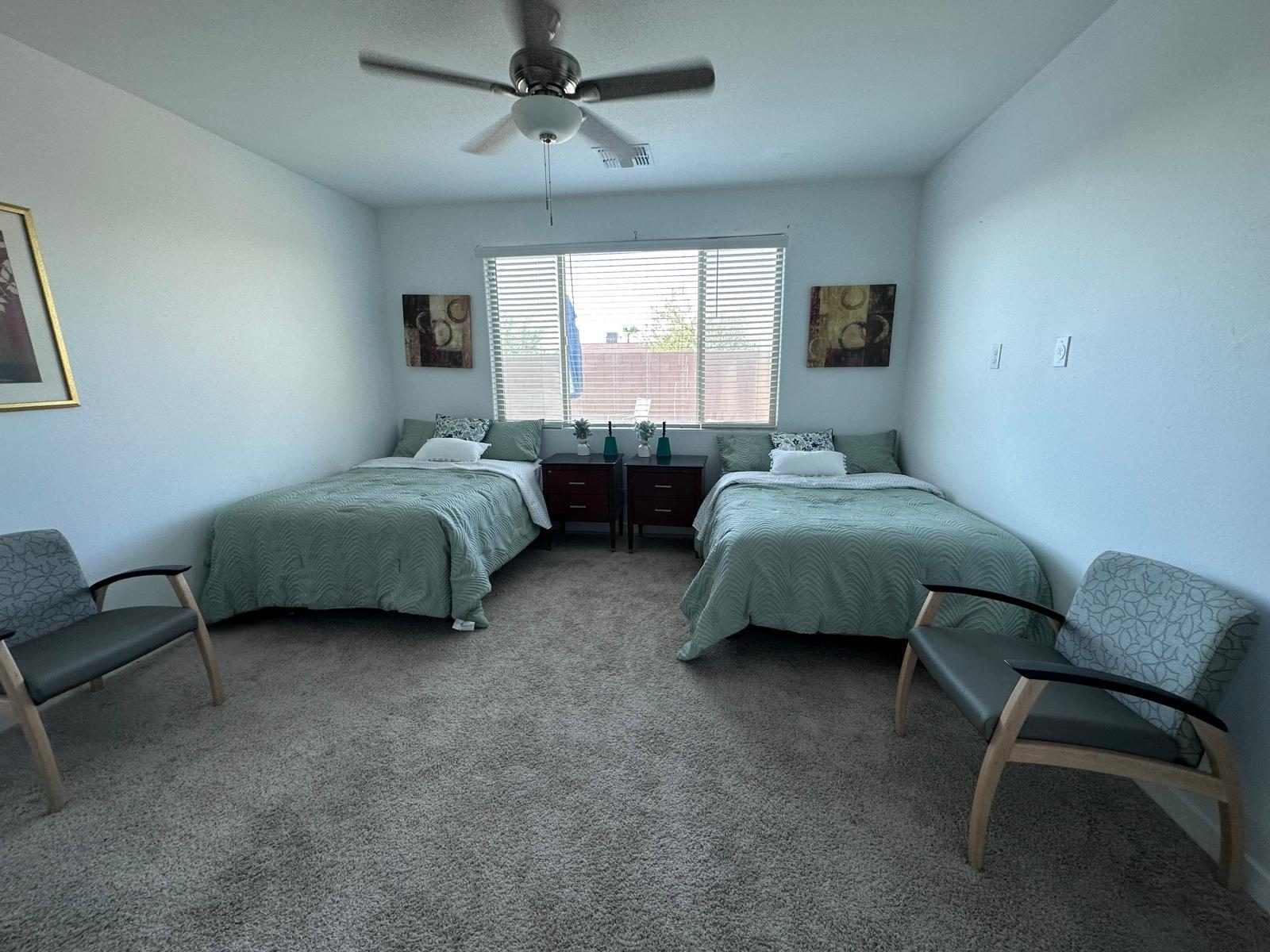
A typical day
Skills for the present and the path ahead
Adolescents are encouraged to participate in goals, ask questions, use grievance and support channels, and practice safer decision-making. Staff provide consistent expectations around treatment participation, school, medication procedures, personal boundaries, room care, communication, outings, and safety plans — with an approach that emphasizes restoration, skill-building, and therapeutic accountability rather than shame.
Working together
Preparing for a safer return to family and community life
With appropriate authorization, the team works with guardians, family members, schools, outpatient providers, Tribal and community supports, and care coordinators throughout treatment. Discharge planning begins at admission and addresses aftercare appointments, medication continuity, family safety planning, school transition, community resources, and relapse or crisis prevention.
A timely clinical review can clarify the next step.
Send a secure referral or call admissions to discuss the adolescent's current needs, safety, treatment history, payer information, and transition goals.